
Petrol price reduced by Rs22 per litre from May 30, easing inflationary pressure on the public.
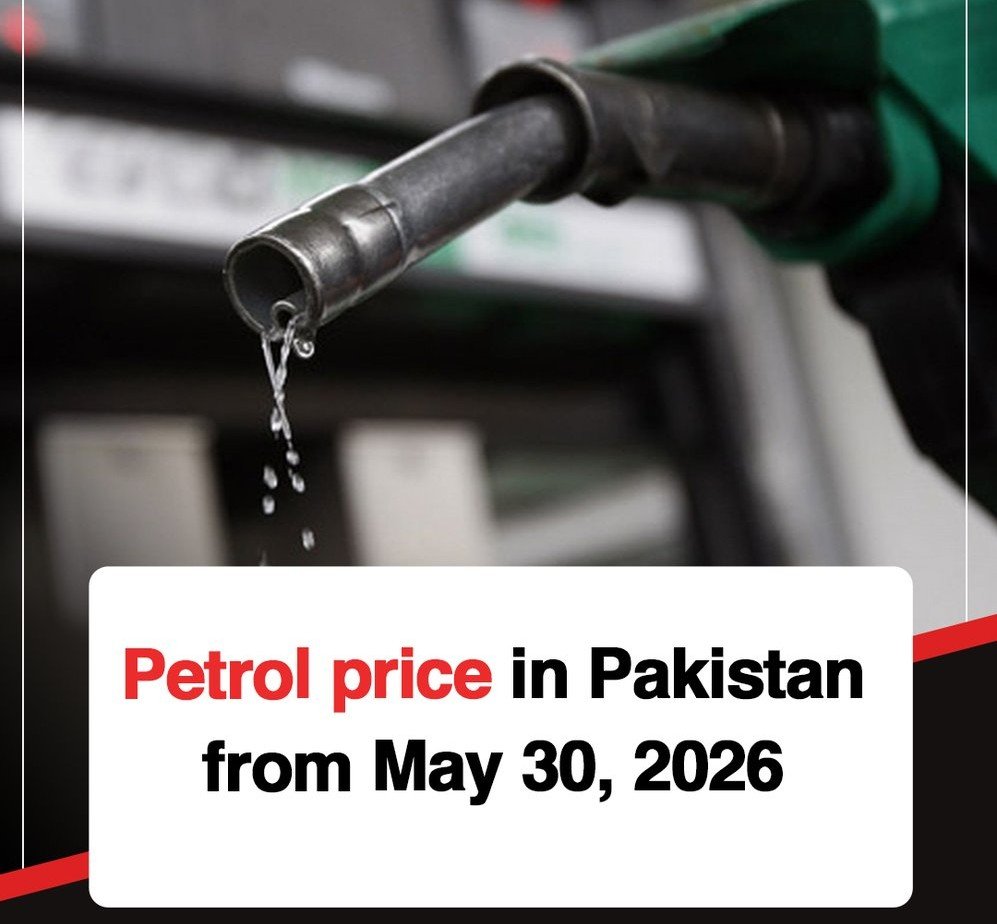
Table of Contents
Pakistan cuts petrol price by Rs22 per litre from May 30
Prime Minister Shehbaz Sharif announced on Friday that Pakistan will slash petrol (motor spirit) prices by Rs22 per litre, effective Saturday 30 May. The federal government said the reductions – also applied to diesel – are aimed at easing the burden of high fuel costs on consumers ahead of the Eid holidays. According to the Prime Minister’s Office, providing relief to the public is a “top priority” and the cut was implemented “as soon as fiscal space became available”. The new prices are the lowest in recent weeks, reflecting a drop in global oil rates and fulfilling earlier government relief promises.
For More News Updates visit NewzByte
Key update: petrol price slashed by Rs22 per litre
In an official notification dated 29 May 2026, Pakistan’s Petroleum Division confirmed the new prices: petrol will fall from Rs403.78 to Rs381.78 per litre, and high-speed diesel (HSD) from Rs402.78 to Rs380.78 per litre – each a Rs22 cut. Kerosene prices are also being reduced from Rs313.44 to Rs272.00. The press release states these rates take effect for the week beginning Saturday 30 May.
The government said the cuts follow an earlier reduction just last week, when petrol had been lowered by about Rs6.7 to Rs403.78. The Prime Minister’s Office described the latest move as fulfilling Shehbaz Sharif’s pledge to pass on relief to citizens, calling it “a gift to the nation” on the third day of Eid al-Adha.
Background: global oil retreat and previous moves
The latest price cut comes amid easing global oil prices. Over the past months, crude rates had spiked due to the Middle East conflict. In early April, Pakistan sharply raised fuel prices – for example, petrol was hiked by 42.7% to Rs458.40 per litre – as the US-led war on Iran disrupted supply. This added to domestic inflationary pressures. However, as diplomatic efforts grew in May and hopes for a truce emerged, international crude softened.
By late May Brent crude traded near $92 per barrel, roughly 19% lower than its level in late April. The government seized that opportunity to reverse part of the earlier hikes. In fact, Pakistan had already trimmed fuel rates in mid-May: on 15 May petrol was cut by Rs5 to Rs409.78 per litre. With global oil down and some easing of the foreign exchange rate, officials said more relief could be passed to consumers without destabilising the budget.
Timeline of events
- Feb 28, 2026 – War breaks out in the Middle East (US-Israel strike on Iran), pushing global oil prices higher and threatening Pakistan’s fuel supplies.
- 2 April 2026 – Pakistan raises petrol price 42.7% (to Rs458.40/L) and diesel by 54.9%, citing the oil price surge. Temporary subsidies are announced for select sectors.
- 15 May 2026 – Government cuts petrol price by Rs5 (to Rs409.78/L) and diesel by Rs5, providing modest relief ahead of Ramadan.
- 29 May 2026 – Prime Minister’s Office announces another deep cut: petrol and diesel reduced by Rs22 per litre. New rates become effective from 30 May.
Key highlights
- Petrol price: New rate Rs381.78 per litre (down from Rs403.78).
- Diesel price: New rate Rs380.78 per litre (down from Rs402.78).
- Kerosene price: Cut to Rs272.00 per litre (from Rs313.44).
- Cut magnitude: Rs22 per litre reduction for both petrol and HSD.
- Previous price: Petrol was Rs403.78 (post last week’s cut) and diesel Rs402.78.
- Effective date: The new prices apply for the week starting 30 May (Saturday).
- Weekly review: Fuel rates are adjusted on a weekly basis (Fridays), reflecting international market moves.
Before vs After Comparison of Petrol Price
| Fuel | Price on 23–29 May (Rs/litre) | Price from 30 May (Rs/litre) | Change |
|---|---|---|---|
| Petrol (MS) | 403.78 | 381.78 | –22.00 |
| Diesel (HSD) | 402.78 | 380.78 | –22.00 |
| Kerosene | 313.44 | 272.00 | –41.44 |
Official announcements for Petrol price
The Petroleum Division’s official press release (dated 29 May 2026) laid out the new ex-depot rates. It noted that the federal government had “decided to reduce” petrol and diesel prices by Rs22 per litre each. The Prime Minister’s Office (PMO) statement accompanying the notice highlighted that Shehbaz Sharif had fulfilled his promise to deliver fuel relief as soon as budgetary space allowed. Sharif was quoted saying that “providing relief to the people is my top priority”. The PMO release also mentioned that the government had kept subsidising fuel through the crisis, providing “over Rs130 per litre” in relief during peak price spikes. It emphasized that the latest cut is part of a “consistent relief policy” benefiting commuters and transport operators.
Impact analysis
The immediate impact of the Rs22 price cut will be felt by motorists and transporters. Millions of Pakistani commuters – especially motorcycle riders and car owners – will pay less at the pump, easing daily budgets. Transport companies and goods carriers also benefit: diesel, which powers heavy trucks, buses, trains and farming equipment, is now cheaper. Industry experts noted that lower diesel prices can modestly reduce logistics and food supply costs. Indeed, transport operators and economists are already expecting bus fares and freight charges to adjust downward in response.
However, analysts caution that the relief is limited. As one industry source pointed out, even after the cut, Pakistan’s fuel prices remain “historically high,” continuing to strain middle- and lower-income households. Inflation is still elevated: Pakistan’s consumer price index was about 10.9% higher in April 2026 than a year earlier. Fuel costs are a major component of living expenses (for transport, goods and electricity), so a one-week reduction will only slightly slow overall inflation. On the fiscal side, the government foregoes some revenue. But officials argue that foreign exchange savings and stronger revenues (due to wider tax reforms) have now created room to ease subsidies safely.
What happens next?
Oil prices will continue to dictate future revisions. The Petroleum Division will review rates again next Friday, as per standard weekly practice. If global crude remains weak (for example, if the Iran ceasefire holds and the Hormuz Strait reopens), further cuts could follow. Conversely, any fresh spike in oil or local currency weakness would reverse gains. In any case, the government has signalled that it will maintain this weekly review cycle. Transport authorities and consumers are now watching whether public transport fares and commodity prices will come down in the next few days. Meanwhile, policymakers are preparing the next federal budget and must balance relief measures against fiscal targets.
Conclusion
Pakistan’s government has delivered a significant fuel-price cut – the second in as many weeks – by shaving Rs22 off the petrol and diesel rates. The move comes as crude prices retreat and aims to give immediate relief to consumers and transporters. While the reduction will lighten the daily cost burden on commuters, experts note that fuel remains expensive overall. Weekly price reviews remain in place, so future adjustments (up or down) will depend on evolving global markets. For now, the lower petrol price provides a welcome easing of inflationary pressure and is expected to modestly reduce transport and commodity costs in the short term.
Sources: Government press releases and official statements; Geo News; Guardian/Oil market reports; Pakistan Bureau of Statistics.
FAQs
- What is the new petrol price from May 30, 2026?
From 30 May, petrol (motor spirit) costs Rs381.78 per litre, down Rs22.00 from the previous Rs403.78. Diesel is Rs380.78 (down from Rs402.78) and kerosene Rs272.00 (down Rs41.44). - Why was the petrol price cut now?
Officials said global oil prices have fallen as a ceasefire in the US-Iran conflict seemed likely, creating “fiscal space” to pass on relief. Prime Minister Sharif emphasised providing public relief as a priority. - Who announced the fuel price change?
The decision was announced by the Prime Minister’s Office and implemented by the Petroleum Division’s weekly price notification. The PM’s statement noted he fulfilled his promise to reduce fuel rates as soon as possible. - How often are petrol prices revised in Pakistan?
Pakistan revises fuel prices weekly (usually announced on Friday nights) based on international oil rates and exchange rates. The current prices are reviewed each week. - What if oil prices rise again?
If global oil or currency rates climb, Pakistan can increase pump prices accordingly. For now, prices are set for one week and will be re-evaluated next Friday. Consumers should stay informed via official notices and news updates.